
Your 2026 Spring Plumbing Checklist: What to Check Before Summer Hits
Spring arrives fast in the Pacific Northwest. One week there's frost on the ground, and the next you're dragging the garden hose out of the garage. This is often when homeowners find out winter left a few surprises behind in their outdoor plumbing.
If you want to avoid a soggy wall, a spiked water bill, or a yard hydrant that quits when you actually need it, here's what to check before summer gets going. These are the things we see most often on spring plumbing calls across the Snoqualmie Valley and King County.
Hose Bibs and Outdoor Faucets: The First Thing to Check
How to Spot Freeze Damage From Winter
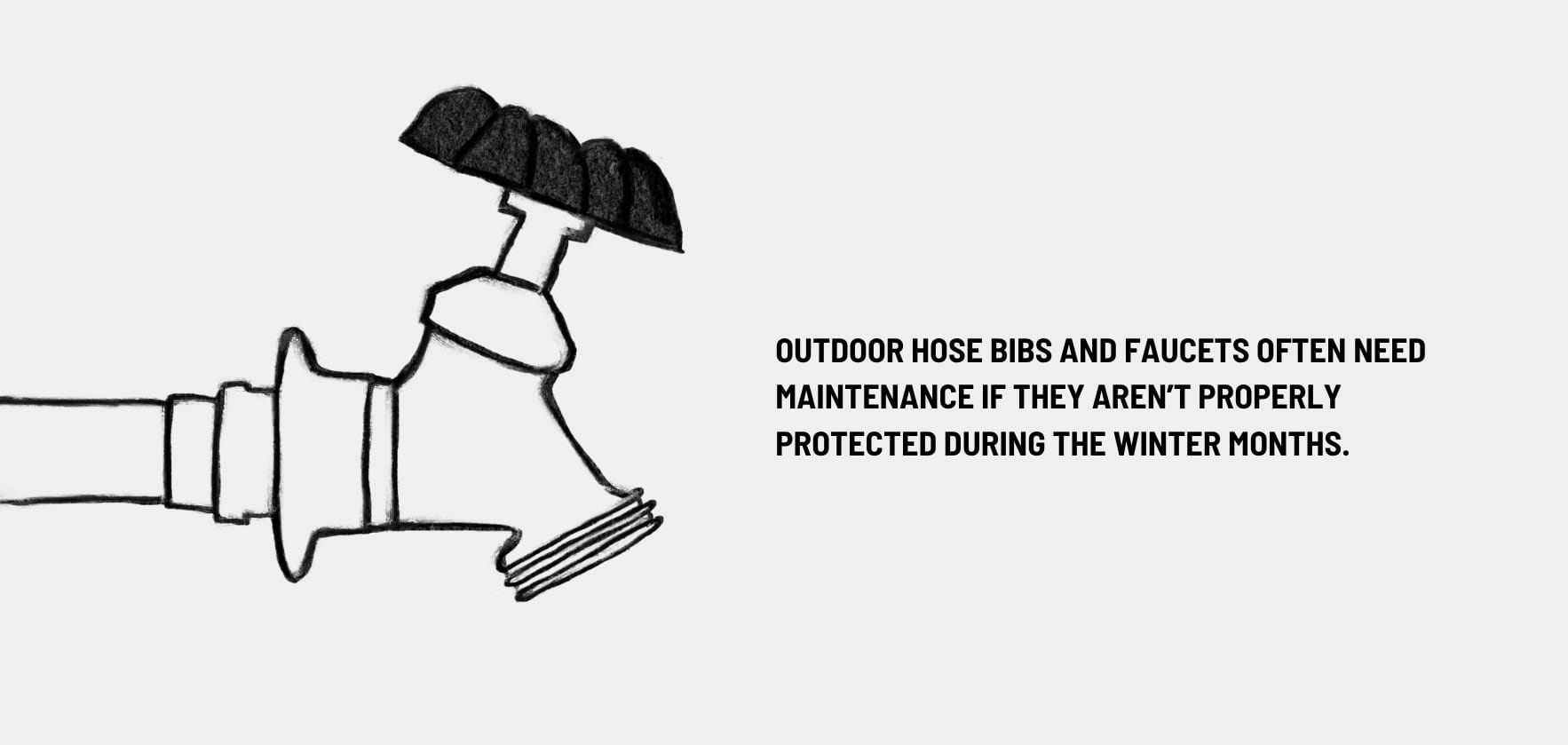
The threaded faucets on the outside of your house, otherwise known as hose bibs, take the most punishment over winter, even when you've done everything right in the fall. Turn the faucet on slowly and watch what happens. If water comes out of the spigot head, that's a start, but don't stop there. Look at where the bib meets the exterior wall. Dampness, discoloration, or dripping from the wall itself (not the faucet head) is a red flag that the pipe behind it cracked when water froze and expanded. If you see that, shut off the water supply to that line and don't use the faucet again until a plumber has looked at it, as what's visible on the outside is often just part of the problem.
If you have a frost-free hose bib, it’s designed to drain water back toward the interior shutoff, helping protect the line from freezing. But if a garden hose was left connected over the winter, it traps water inside and defeats the whole purpose of that design. As This Old House points out, even frost-free faucets can freeze and crack when a hose is left attached, and the damage often doesn’t show up until you turn the faucet on in the spring.
Signs of a Cracked or Leaking Spigot
Water drips from the faucet when it's fully closed
Corrosion or mineral buildup around the handle or base
Water staining on the siding near the bib
The handle spins loosely without resistance
Water seeps from the packing nut (just behind the handle)
Even a slow drip adds up fast. According to the EPA's WaterSense program, a faucet dripping once per second wastes more than 3,000 gallons of water per year, and the average household with unaddressed leaks loses around 9,400 gallons annually. An outdoor spigot dripping all summer quietly does real damage to your water bill.
When to Repair vs. When to Replace
A dripping spigot that won't fully close is often just a worn washer or O-ring and is cheap to fix and something a handy homeowner can tackle. A loose packing nut can usually be tightened or repacked with basic tools. But if the faucet body itself is cracked or you're seeing water inside the wall, stop and call a plumber. That kind of damage usually means something further back in the supply line needs attention, too. Spring is also a natural time to upgrade to a frost-free model if you don't already have one.
Outdoor Showers and Sinks
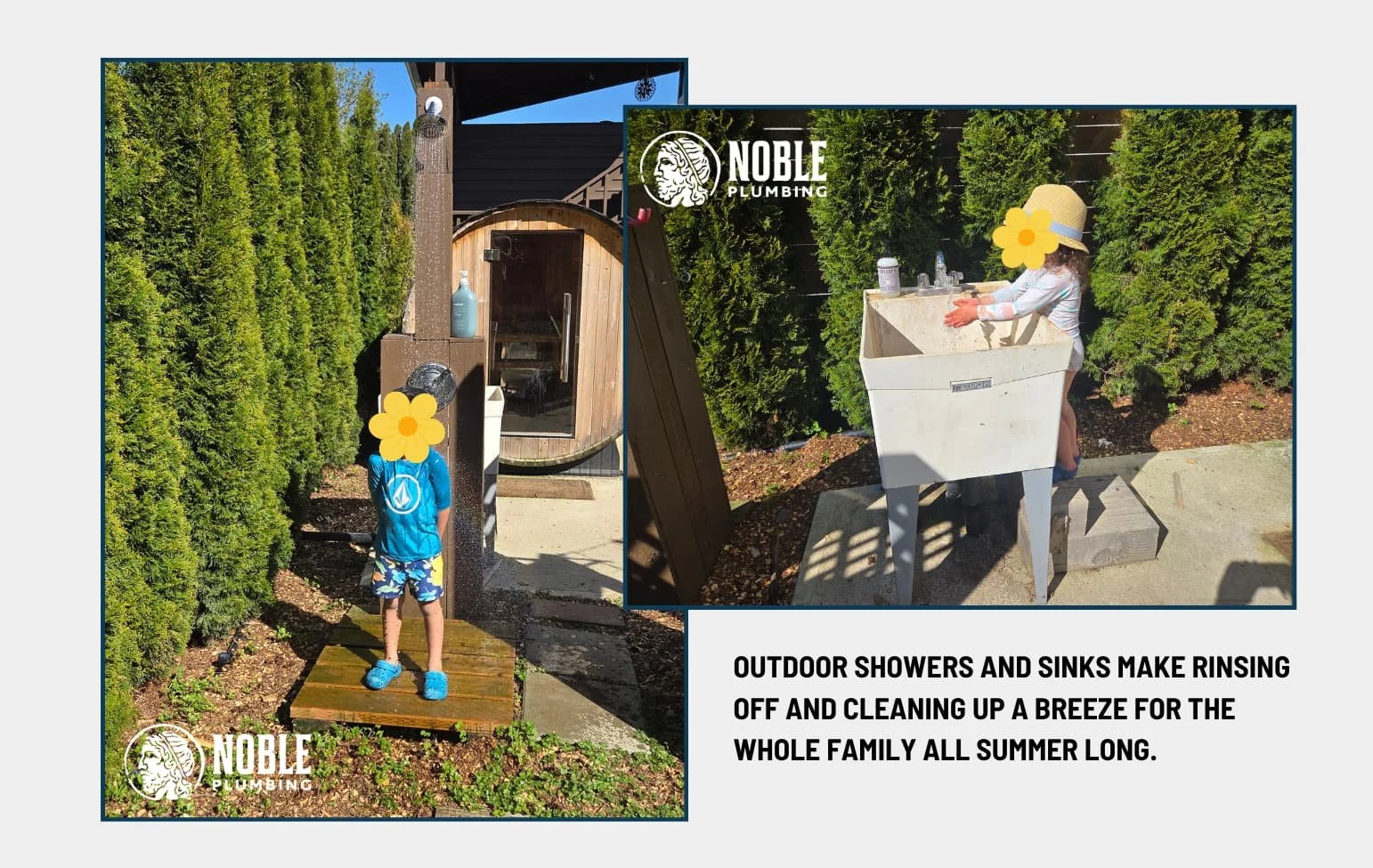
If your home has an outdoor shower or sink, these get the same inspection as hose bibs, plus a couple of extras. Check exposed supply lines for cracks or brittleness as PVC and rubber components are especially vulnerable to freeze-thaw cycles, and damage there isn't always obvious until the line is under pressure. Turn the water on and watch every connection point for drips before you assume everything held up fine.
If you have a P-trap on the drain, make sure it still has water in it. A dry trap lets sewer gases back up through the drain, which is both unpleasant and a health concern. And check the drain itself for debris, leaves, and sediment packed in over winter, and a slow drain in April becomes standing water all summer.
Yard Hydrants
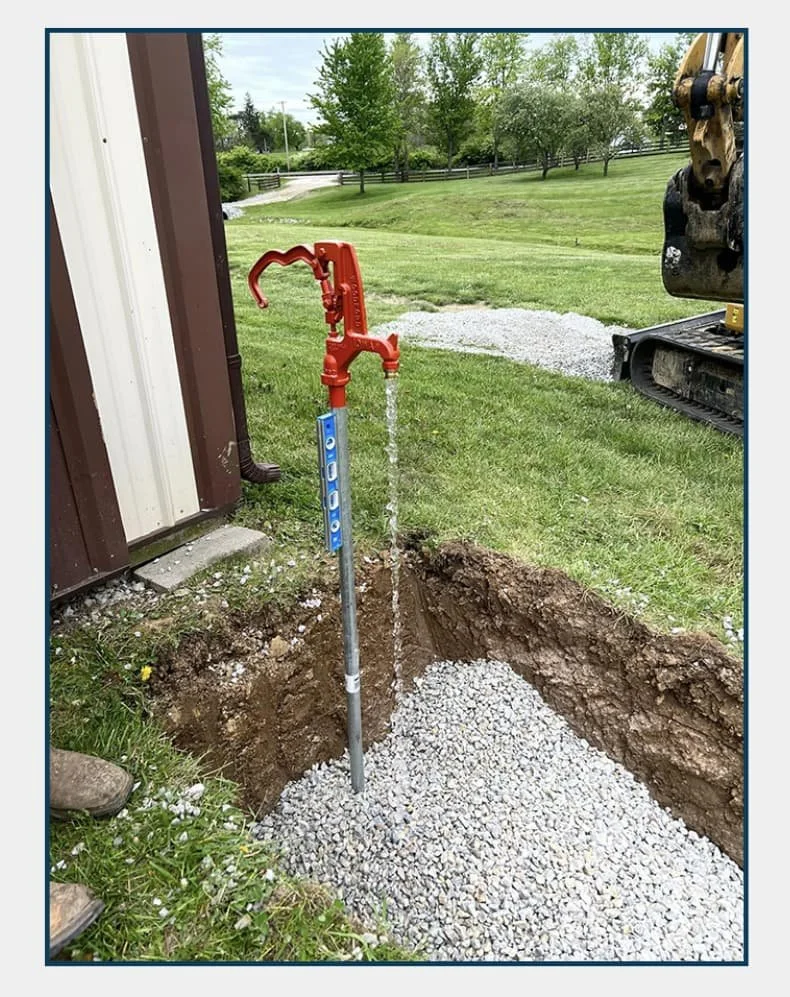
These are the tall, freestanding outdoor water supplies used on larger lots, hobby farms, or properties with big gardens. If your property has a yard hydrant, test the hydrant before you actually need it for irrigation or livestock.
Open it fully and let it run for 30 seconds. A yard hydrant is designed specifically to drain below the frost line when you close it, so the water column never sits where it can freeze. But the drain valve at the bottom can corrode or fail over time, and when it does, water sits in the riser pipe all winter, cracking it quietly where you can't see it.
Signs something's off: slow shutoff, water bubbling from the ground near the base after you close it, or a constant drip from the top even with the handle fully down. Any of those means the internal drain mechanism isn't working, and the hydrant needs service before you rely on it.
Hot and Cold Hose Bibs: Car Wash and Pet Wash Stations
More homes are adding dedicated washdown stations with both hot and cold water for rinsing off muddy dogs, washing the car, or cleaning outdoor gear. Great setups, but they need a bit more attention than a standard hose bib. The cold-side inspection is the same as any outdoor faucet. The hot side connects directly to your water heater line, so even a small drip wastes both water and energy. Check all connections, make sure both shutoffs open and close smoothly, and look for mineral deposits around fittings, which can be a sign that a drip went unnoticed over winter.
One thing worth knowing while you're out there: outdoor hose bibs are required by plumbing code to have a vacuum breaker, a small device that screws onto the faucet where you connect the hose and prevents water from being siphoned backward into your drinking supply. Hose-bib vacuum breakers have been a code requirement since 1963 and must meet ASSE 1011 or ASSE 1019 standards. If yours is old, missing, or cracked, it's a quick and cheap fix and worth flagging when your plumber comes out.
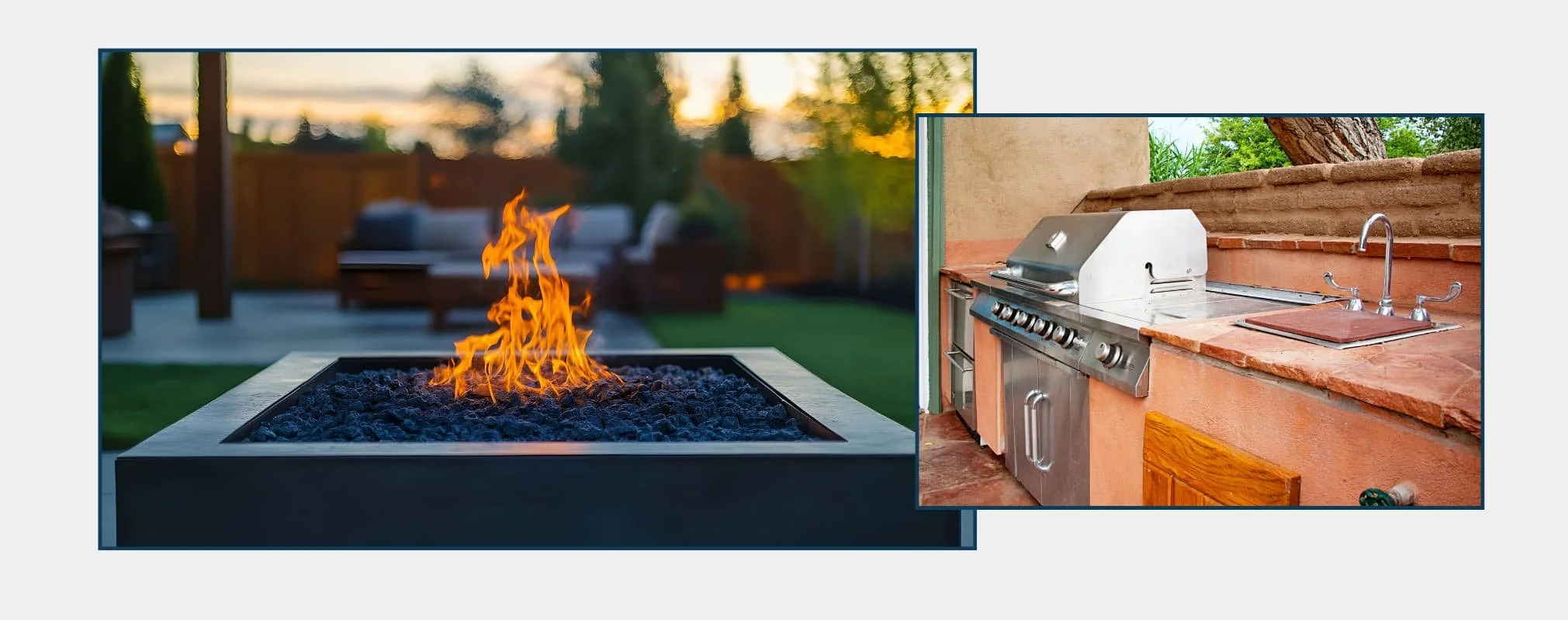
Gas Fire Pits and Outdoor BBQ Lines: Get It Done Before Summer
If you've been thinking about adding a gas fire pit or built-in barbecue to your outdoor space, spring is the right time to get it on the schedule. Running a dedicated gas line to an outdoor feature requires a licensed plumber, and summer weekends book up faster than most people expect. Getting the line in now means you get to enjoy it all season long.
Don't Let a Small Issue Become a Summer Problem
The pattern with outdoor plumbing is pretty consistent: a minor issue in April becomes a damaged wall or a much bigger repair by July. Freeze damage doesn't always announce itself right away; sometimes it takes a few uses before a cracked fitting opens up or a worn seal finally gives way.
A walk-around inspection takes about twenty minutes. Catching something small now is always easier and cheaper than dealing with water damage later.
Noble Plumbing serves homeowners throughout the Snoqualmie Valley and King County, WA.
