
Hydrojetting Services in Snoqualmie Valley & The Eastside
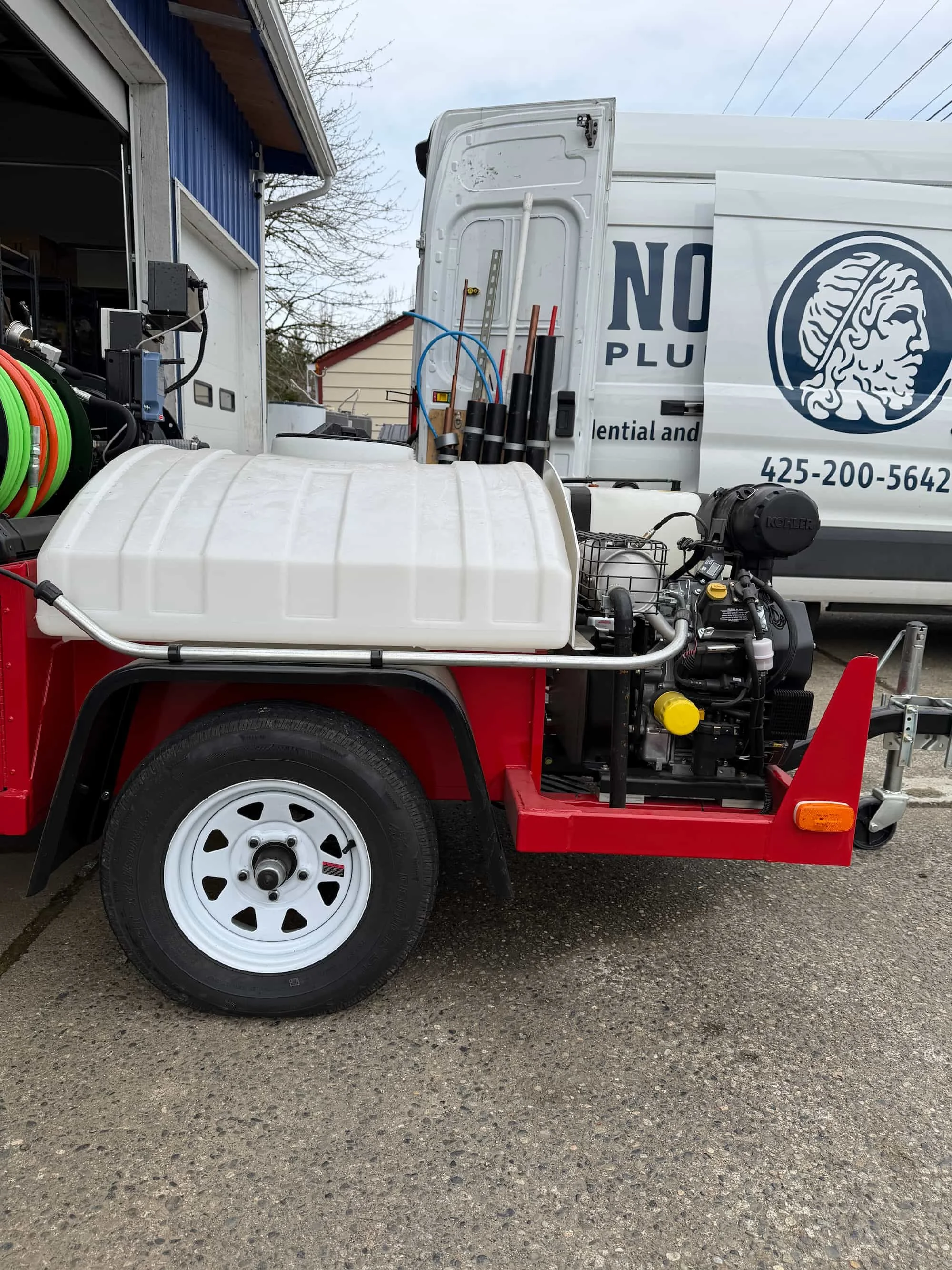
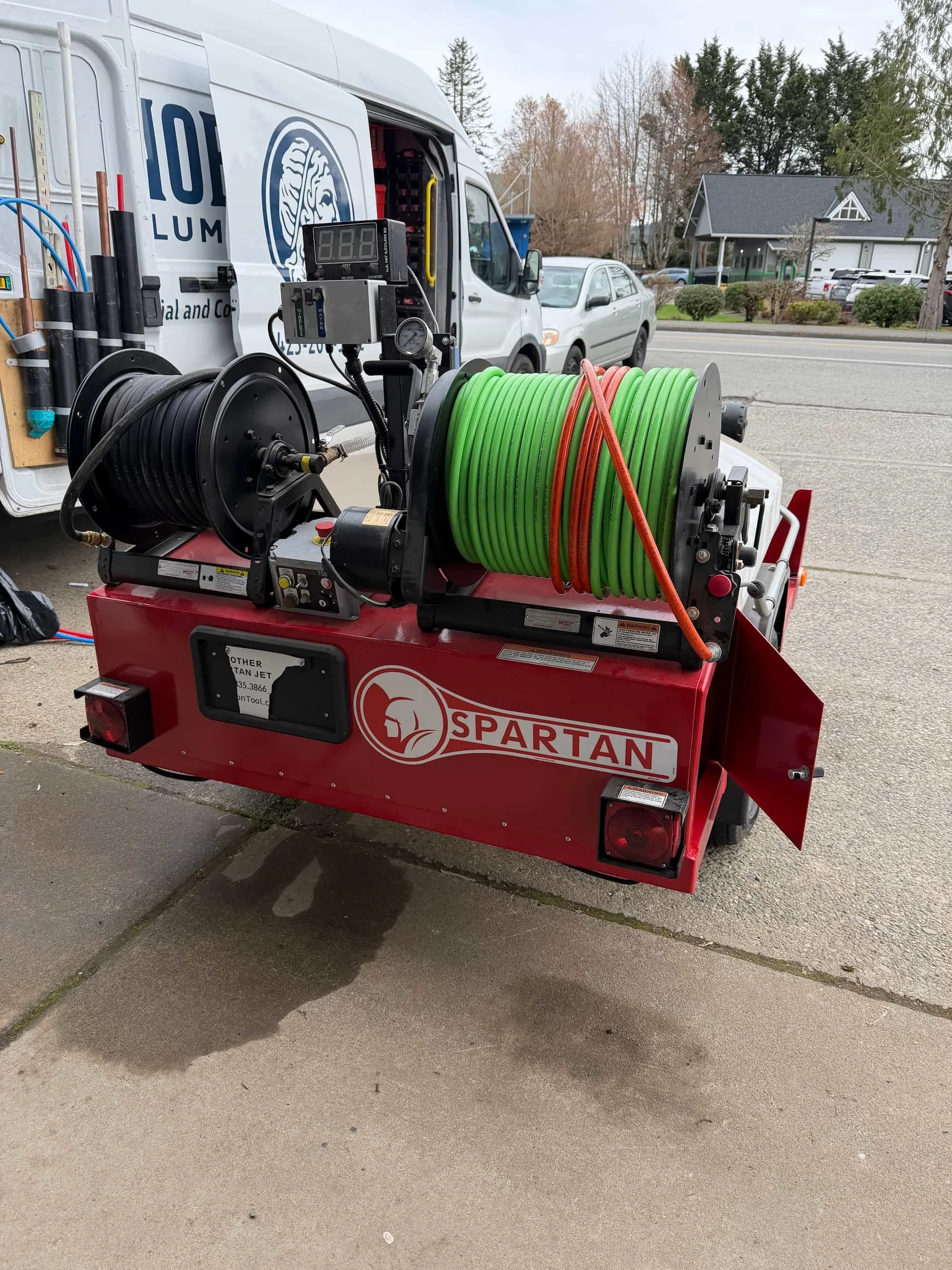
Hydrojetting is what clears years of buildup, grease, and tree roots from drain and sewer lines. We use professional-grade equipment paired with camera inspection, so we know exactly what we're working with before we start.

Transparent pricing

Family-Owned
Eric from Noble Explains How Hydrojetting Works
When Hydrojetting is is the Right Call
Not every clog needs a hydrojet. Here's when it usually does:
Multiple drains backing up at once (kitchen, bathtub, toilet)
The same drain keeps clogging every few months
Gurgling sounds when water drains
Sewage smell in the yard, basement, or near a cleanout
A camera inspection turned up tree roots, scale, or grease buildup
Restaurant or commercial kitchen with grease line maintenance
You bought an older home and want a baseline cleaning
Hydrojetting vs. Drain Snaking — Which Do You Need?
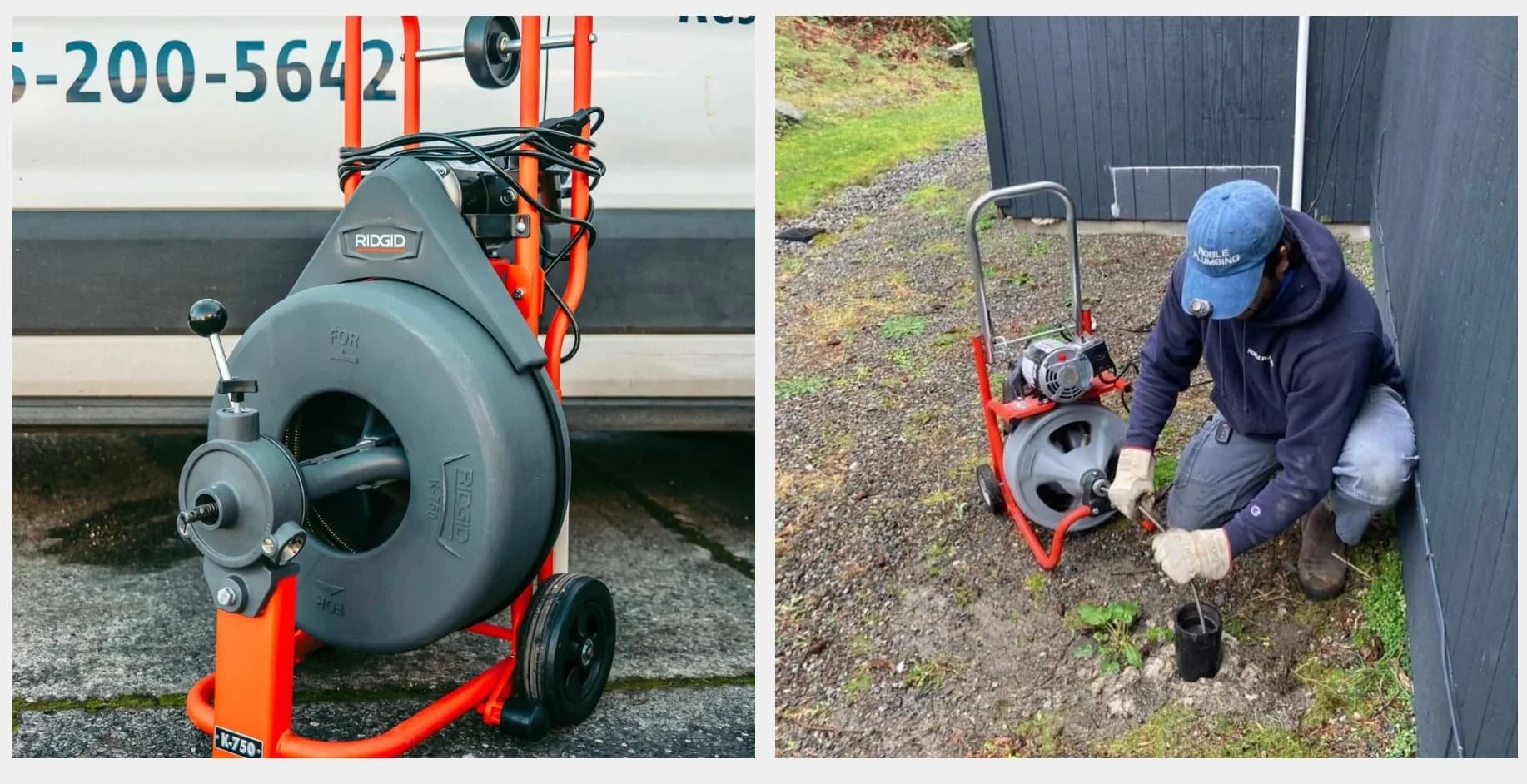
Drain Snaking
Best for: Hair, soap scum, single fixture clogs
How it works: Punches a hole through the clog
How long it lasts: Short-term — debris is still in the pipe
When we use it: First-line solution for most simple clogs
Hydrojetting
Best for: Tree roots, grease, scale, recurring clogs, main line buildup
How it works: Cleans the full pipe diameter
How long it lasts: Long-term — pipe walls are scoured clean
When we use it: When snaking isn't enough, or for preventative cleaning
A lot of jobs start with a snake and a camera. If we see something a snake won't fix, we'll talk through whether jetting makes sense before we touch anything.
Is It Safe for Your Pipes?
For modern PVC and most cast iron in good condition, yes. Hydrojetting is safe and effective. Where we slow down is in older homes. Many homes built before the 1970s still have original cast-iron or clay sewer lines, and those can be brittle from decades of corrosion.
High-pressure water can crack a pipe that's already compromised. That's when we’ll run a camera inspection first. If the line isn't a good candidate for jetting, we'll let you know and walk you through other options instead.
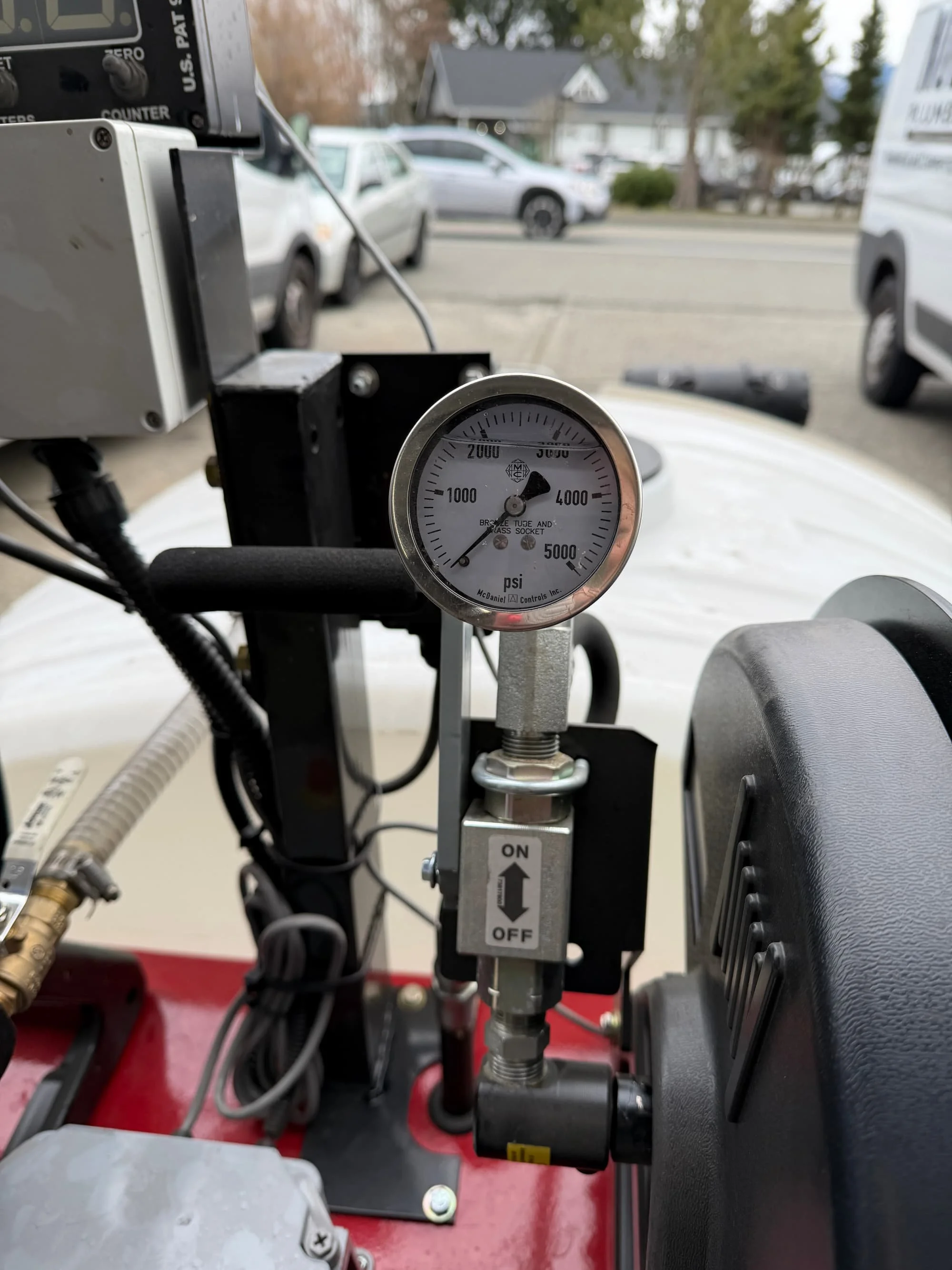
We provide hydrojetting throughout Snoqualmie Valley and the Eastside
We Know Local Pipes
From original cast-iron plumbing in older Issaquah homes to root-prone sewer laterals across the Snoqualmie Valley, we've worked on the lines that homes around here actually have. We know what handles a jet and what doesn't.
Real, Honest Estimates
We give you a written estimate before any work starts. If a snake will solve your problem, we'll tell you, no pushing you toward the bigger job to pad an invoice.
Camera Verified
When needed, a hydrojetting job starts and ends with a camera inspection. You see what we saw going in, and what the line looks like when we're done. No guessing, no "trust us."
What Your Neighbors Are Saying
Frequently Asked Questions About Hydrojetting
-
Hydrojetting typically costs more than a standard snake job because it’s a more thorough process. It scours the full pipe diameter clean rather than just punching a hole through the clog. The exact cost depends on the length of the line, what’s in it, and whether a camera inspection is needed first. We give you a written estimate before any work starts, so there are no surprises.
-
Most residential hydrojetting jobs take between one and three hours. Commercial jobs or lines with heavy root intrusion can take longer. If we run a camera inspection before and after, factor in an extra 30–60 minutes. We’ll give you a time estimate when we assess the line.
-
For PVC and most cast iron in good condition, yes, hydrojetting is safe and effective. Homes built before the 1970s that still have original clay or heavily corroded cast-iron lines may not be good candidates. High-pressure water can crack a pipe that’s already compromised. That’s why we run a camera inspection first when there’s any question about pipe condition. If the line isn’t a good candidate for jetting, we’ll tell you and walk you through other options.
-
Yes, in most cases. Hydrojetting can cut through and flush out root intrusions that have grown into the line. That said, if roots have caused structural damage to the pipe itself, jetting clears the blockage but doesn’t fix the underlying issue. A camera inspection will show us what we’re dealing with. For pipes with significant root damage, we may recommend a trenchless repair alongside or instead of jetting.
-
A drain snake is a cable that punches a hole through a clog. It’s fast, affordable, and effective for hair, slight blockages, and basic clogs. Hydrojetting uses high-pressure water to scour the entire pipe wall clean. It lasts longer because it removes the debris completely rather than just opening a path through it.
-
For most residential homes, every 18–24 months is a reasonable maintenance interval if you’ve had recurring issues. Homes with mature trees near the sewer line, or older cast-iron lines prone to scale buildup, may benefit from annual cleaning. Restaurants and commercial kitchens with grease lines typically need cleaning every 3–6 months. If you’ve never had it done and you’re in an older home, a one-time baseline cleaning and camera inspection is a smart starting point.
-
Not always. A camera inspection lets us see exactly what’s causing the problem and confirm the pipe is in good enough condition to handle high-pressure water. We always recommend one for older homes, main sewer lines, or recurring clogs where the cause isn’t obvious. For straightforward grease buildup in a commercial kitchen line we’ve serviced before, we may skip it. We’ll let you know what makes sense before we start.
-
We provide hydrojetting throughout Snoqualmie Valley and the Eastside, including Snoqualmie, Issaquah, Sammamish, Fall City, North Bend, Bellevue, Mercer Island, Maple Valley, and beyond. If you’re not sure, give us a call at (425) 200-5642 and we’ll let you know.
Noble Plumbing provides hydrojetting throughout Snoqualmie Valley and the Eastside, including Snoqualmie, Issaquah, Sammamish, Fall City, North Bend, Bellevue, Mercer Island, Maple Valley, and the Issaquah Plateau.