
5 Signs Your Home Needs a Repipe (And Why Waiting Makes It Worse)
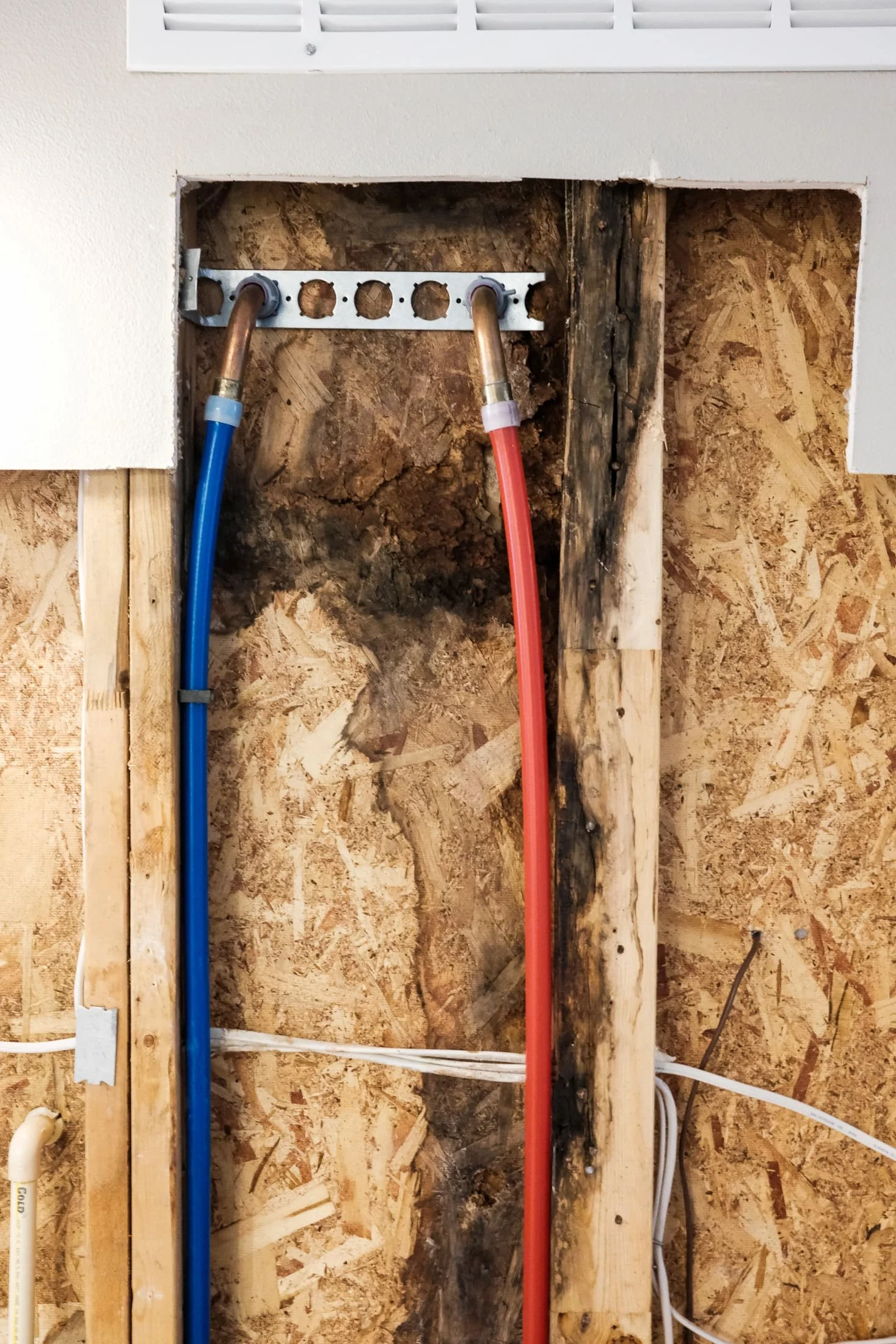

Most homeowners don’t think about their pipes until something goes wrong. Pipes are hidden inside walls and under floors, doing their job quietly until they can’t anymore. But by the time you’re dealing with a burst pipe or water damage, you’ve already missed the warning signs.
A whole-home repipe isn’t the kind of job you want to rush into reactively. The good news is your plumbing usually gives you warning signs before things get serious. Here’s what to keep an eye on, especially if you’re in an older home in the Snoqualmie Valley or the broader East King County area, where a lot of the housing dates back to the mid-20th century.
What Is a Home Repipe, Anyway?
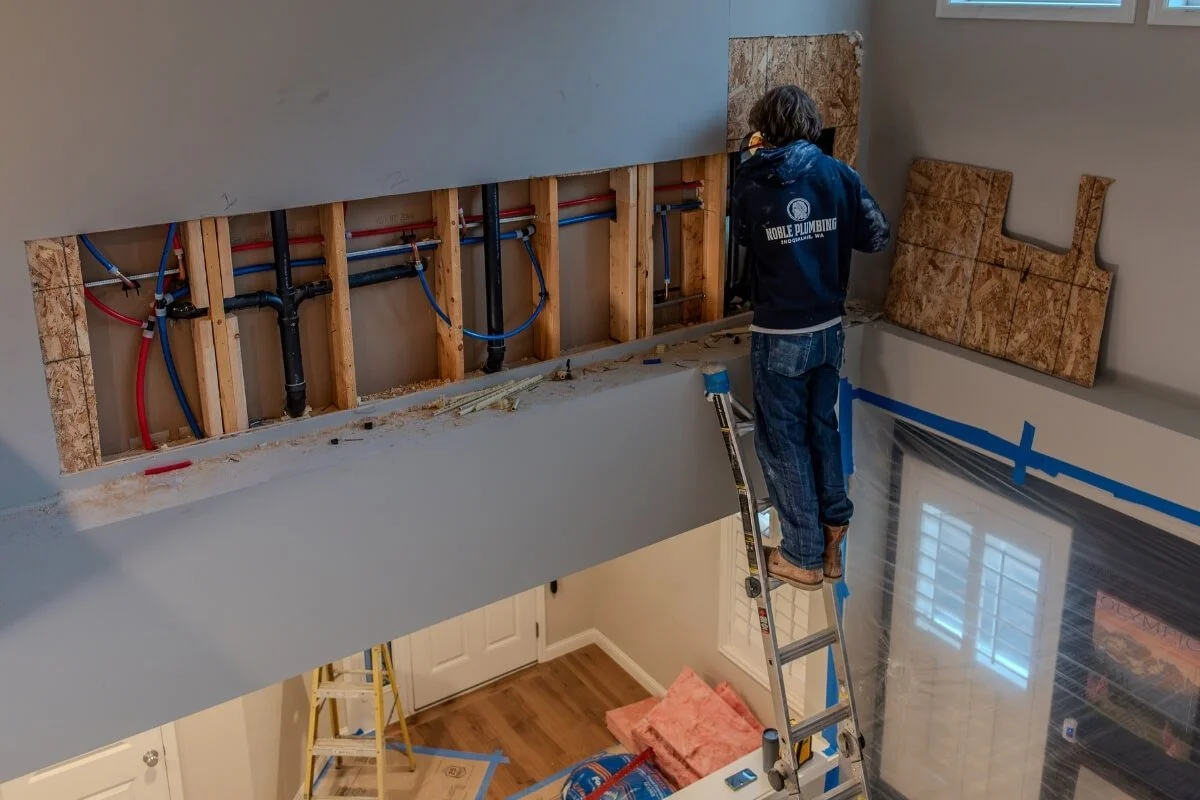
A repipe is exactly what it sounds like: replacing the water supply lines throughout your home. This is different from fixing a single leaky pipe. Repiping means replacing the entire plumbing system, typically with PEX (cross-linked polyethylene), which has become the industry standard for its flexibility, corrosion resistance, and long lifespan. Unlike rigid copper, old galvanized steel, or aging CPVC, PEX bends around corners without many fittings, which means fewer potential failure points in your walls.
It’s a bigger job, but it’s also a one-and-done solution when the underlying pipes have run their course.
Sign #1: Your Water Looks Off
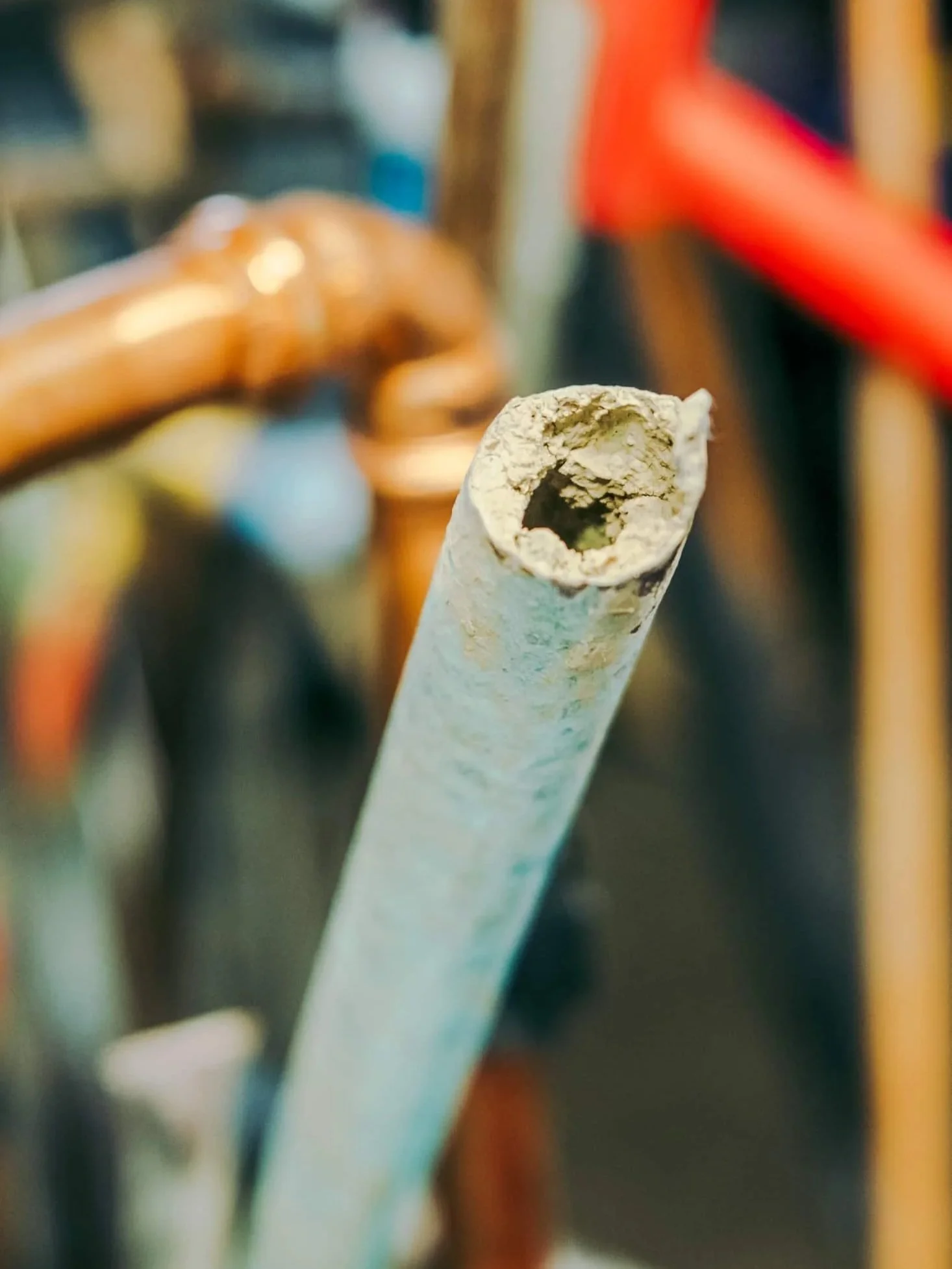
Brown, yellow, or rust-colored water coming from your taps is one of the clearest signs your pipes are corroding from the inside. Galvanized steel pipes, which were standard in homes built before the 1970s, have a zinc coating that breaks down over time. As that coating deteriorates, the steel underneath oxidizes and sheds rust particles into your water supply.
This isn’t just an aesthetic problem. The EPA classifies galvanized pipes downstream of lead service lines as “galvanized requiring replacement” because corroded zinc coatings can accumulate and release lead into drinking water. Both the EPA and CDC hold that there is no safe level of lead exposure, particularly for children and pregnant women.
These pipes are often found in older homes in Issaquah and North Bend that haven’t had plumbing updates since they were built. If your water is consistently discolored, especially when you first turn on a tap in the morning, it’s time to get a professional opinion.
Sign #2: The Water Pressure in Your Home Has Quietly Gotten Worse
Low water pressure is easy to write off. Maybe it’s just the showerhead. Maybe the city is doing something. But when low pressure shows up at multiple fixtures across the house, the more likely explanation is a buildup inside the pipes.
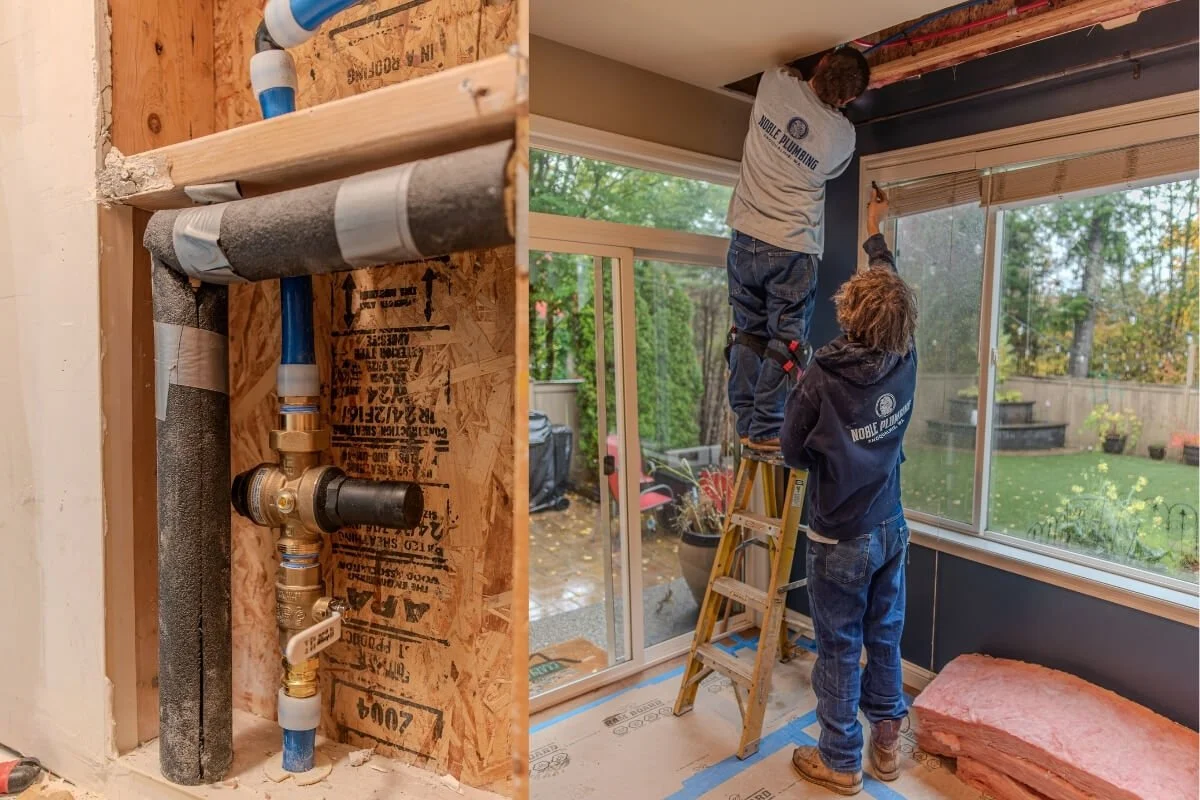
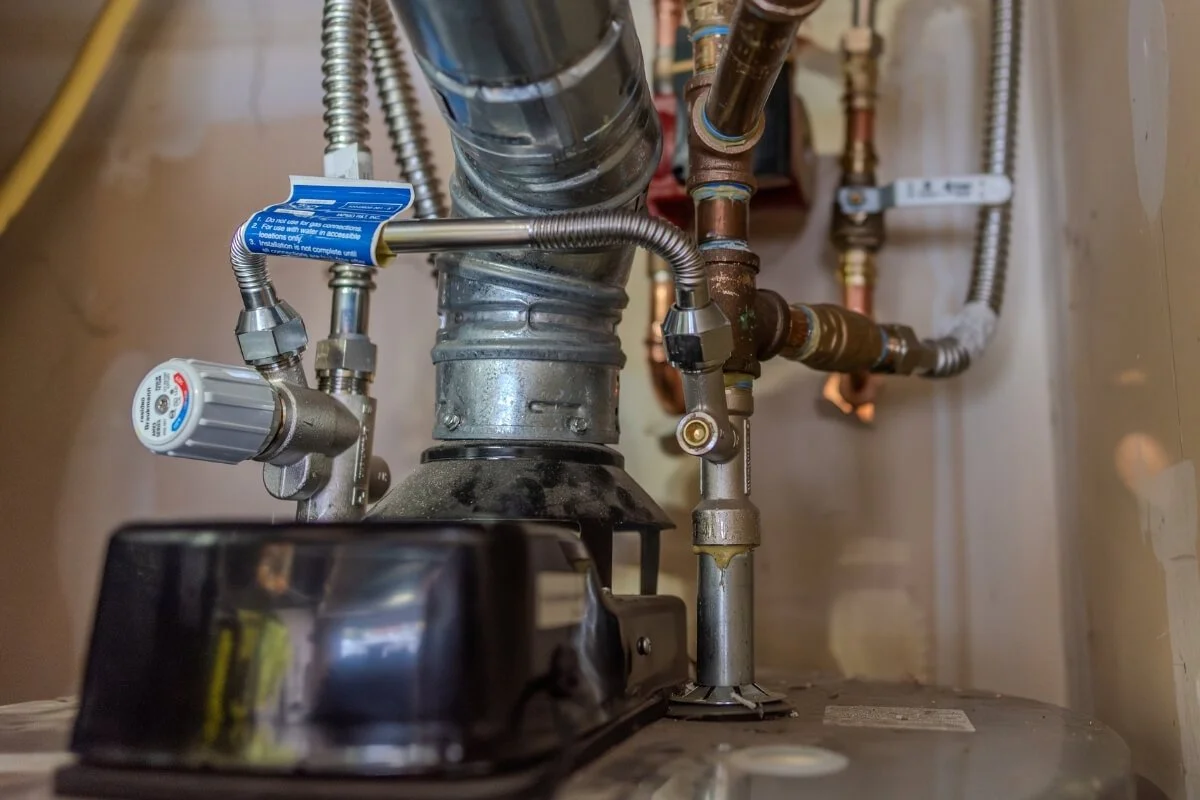
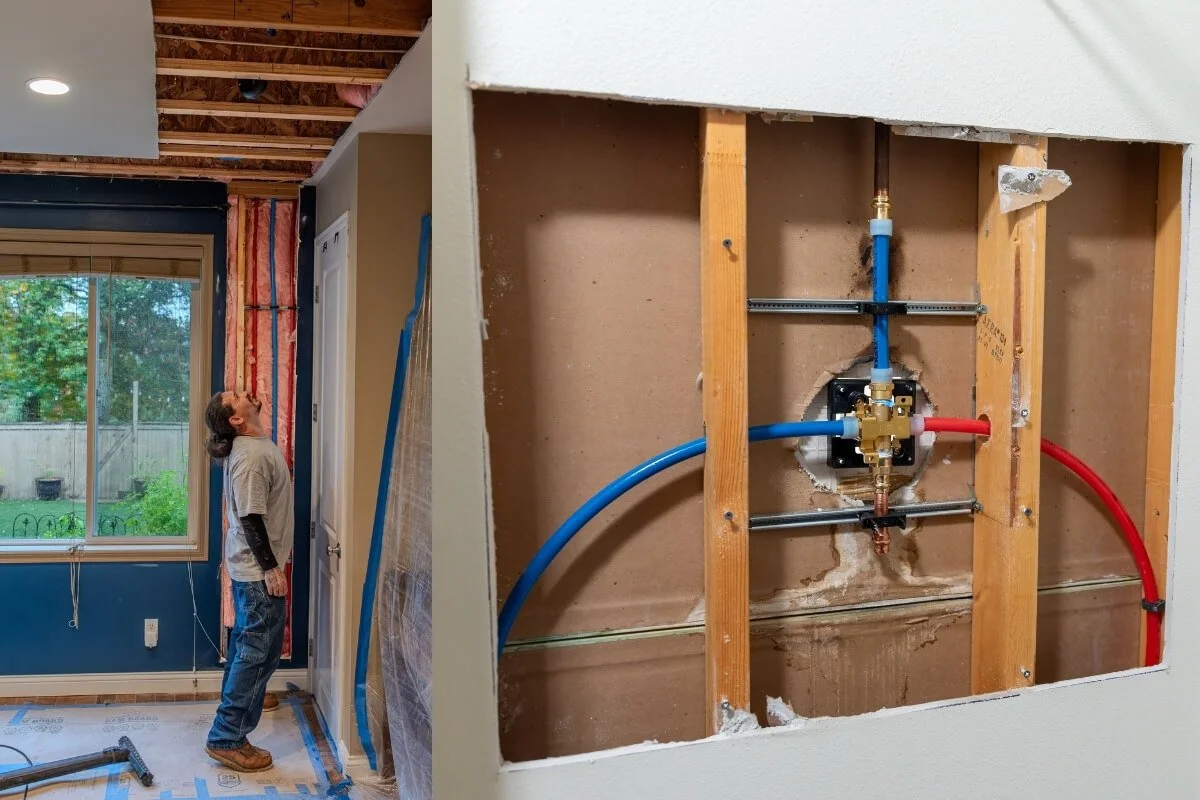
Galvanized steel corrodes inward. Over decades, mineral deposits and rust accumulate on the interior walls of the pipe, narrowing the passage through which water travels. A pipe that started with a full half-inch or three-quarter-inch opening can lose significant flow capacity without ever leaking or showing visible damage from the outside.
This is a particularly common issue in Snoqualmie and Fall City homes built in the 1950s through 1970s, many of which still have their original galvanized systems. If you’ve already ruled out a pressure regulator issue and cleaned or replaced your fixtures, and the pressure is still low, the interior of your pipe may be the problem.
Sign #3: You’re Calling a Plumber for Leaks More Than Once a Year
One leak is a repair. Two leaks in a year, in different spots, start to look like a pattern. Three or more, and you’re probably not fixing the problem — you’re just finding new places where it’s showing up.
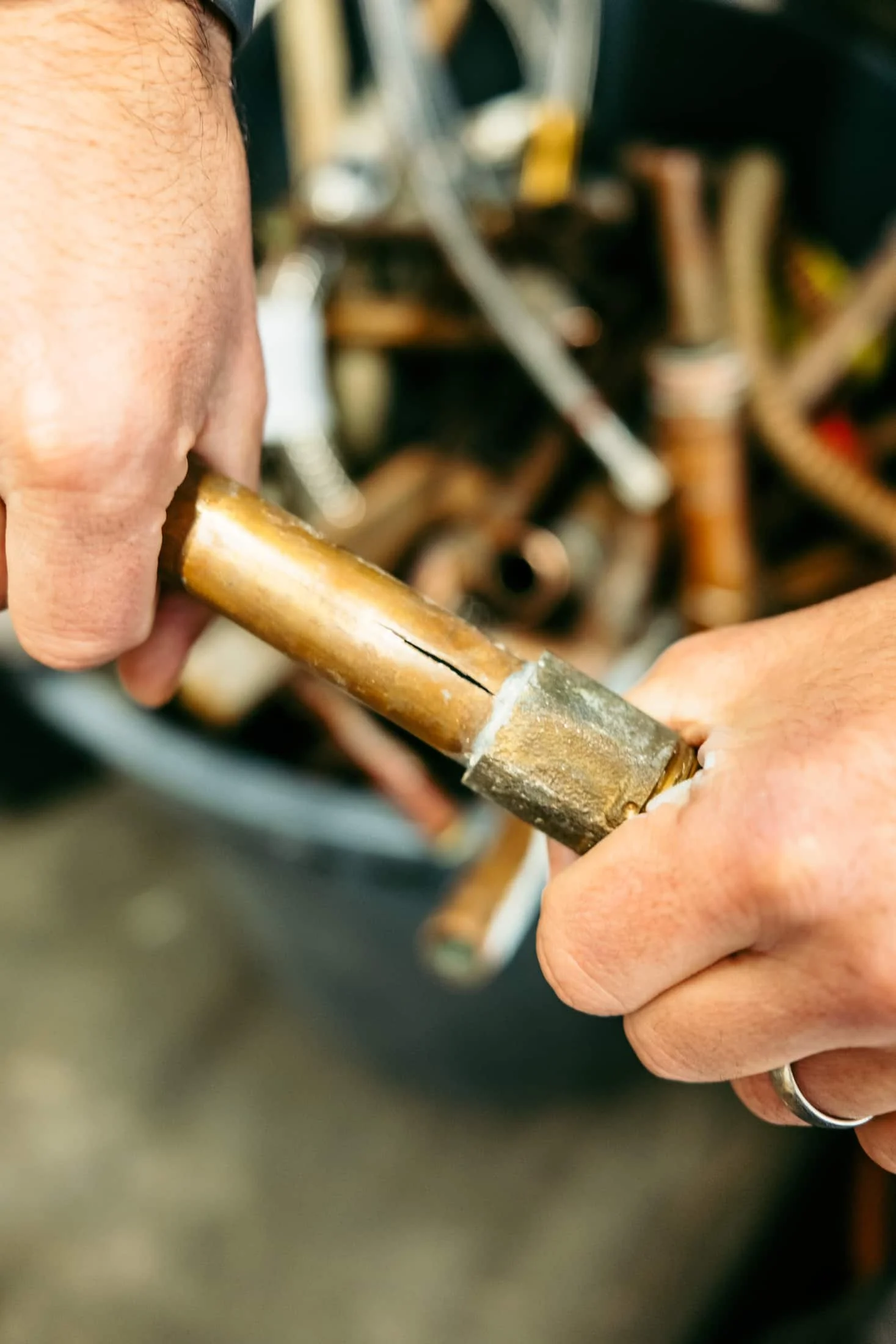
This is one of the most common reasons we repipe homes across East King County, and CPVC is often at the center of it. CPVC (chlorinated polyvinyl chloride) was widely installed in homes built from the 1970s through the early 2000s. It has a long theoretical lifespan, but in practice, it becomes brittle over time — especially with the temperature swings we see in Western Washington. When CPVC starts to fail, it tends to crack repeatedly at joints and fittings rather than fail all at once. Homeowners end up calling for one small leak, then another, then another, each time thinking it’s an isolated fix. It rarely is.
Galvanized steel follows a similar pattern. As pipes age and corrode, the weak spots multiply. Galvanized steel has a typical lifespan of 20 to 50 years, depending on water quality and conditions. Copper holds up longer, often 50 to 70 years or more, but even copper can fail if the water makeup is aggressive or if older sections have stress points from past repairs.
The cost of repeated service calls adds up fast, and each leak carries the risk of water damage to insulation, framing, and drywall that doesn’t always dry out cleanly. This is something that matters a lot in the Pacific Northwest, where moisture has nowhere to go in a wet winter. The EPA notes that mold can begin growing within 24 to 48 hours of a moisture event, and it’s a downstream consequence that nobody budgets for.
Sign #4: Your Home Was Built Before 1985
This one isn’t about symptoms. It’s about math.
Homes built with galvanized steel plumbing are now past or approaching the end of that material’s expected lifespan. If your house was built in the 1950s, ’60s, or ’70s and has never been repiped, the pipes are between 50 and 75 years old. Even if nothing has failed yet, that’s operating well outside the material’s design limits.
CPVC extends that window further. Homes built from the 1970s through the early 2000s were commonly plumbed with CPVC, which is now old enough to start showing its age — brittle fittings, stress cracks, and the kind of slow recurring leaks that are easy to dismiss until they aren’t. If your home falls in that range and you’ve been dealing with repeat plumbing calls, the pipe material itself may be the underlying issue.
East King County experienced significant residential development in both eras. Issaquah, North Bend, Snoqualmie, Maple Valley, and Sammamish all have established neighborhoods with homes within this price range. If yours is one of them and you’ve never had a plumbing assessment, it’s worth knowing what you’re working with.
Homes built between the late 1970s and mid-1990s also have another concern: polybutylene pipe. This gray plastic material was widely used during that era before it was found to degrade when exposed to chlorine in municipal water supplies. Polybutylene was phased out by 1995 following major class action settlements, but it has no place in a modern plumbing system and should be replaced if it’s still in use.
If you don’t know what your pipes are made of, our team at Noble Plumbing can help you find out fast.
Sign #5: You Have Water Damage That Keeps Coming Back
Stains on ceilings or walls that return after you’ve painted over them. A musty smell that won’t go away. Soft spots in drywall or flooring near a bathroom or kitchen. These are signs of moisture that isn’t drying out because it’s coming back.
Slow leaks behind walls are harder to catch than an obvious puddle, but they do more long-term damage. Over time, chronic moisture degrades insulation, warps wood framing, and creates ideal conditions for mold growth that can spread well beyond the original leak source. In a climate like ours in Western Washington, a slow leak behind a wall doesn’t dry out on its own — it just keeps going.
If you’ve had water damage investigated, patched, and painted more than once in the same area, you haven’t solved the problem yet.
So What Does Repiping Actually Cost?
Whole-home repiping ranges depending on size, pipe access, and material choice. PEX is significantly more cost-effective than copper in both materials and labor, which is part of why it’s become the standard for repipe projects.
When you’re investing in a repipe, you’re also avoiding potential future costs, including water damage restoration, repeated repair calls, mold remediation, and the long-term health risks associated with degraded water quality. For a home in Snoqualmie, Issaquah, or North Bend that’s been dealing with multiple symptoms for years, a repipe is often the most cost-effective decision available.
When to Call
If you’re seeing one of these signs, it’s worth getting a plumber’s eyes on the system. If you’re seeing two or more, especially in an older home, a repipe conversation makes sense sooner rather than later.
At Noble Plumbing, we work throughout East King County, including Mercer Island, Issaquah, Maple Valley, Sammamish, Fall City, and the surrounding area. We’ll give you a straight answer about what’s going on and your real options. No upsell. No pressure. Just an honest assessment from a team that knows these homes.
Noble Plumbing serves Snoqualmie, Issaquah, North Bend, Fall City, and the surrounding East King County area.
