
Plumbing for Seniors: Staying Safe, Comfortable, and Independent at Home
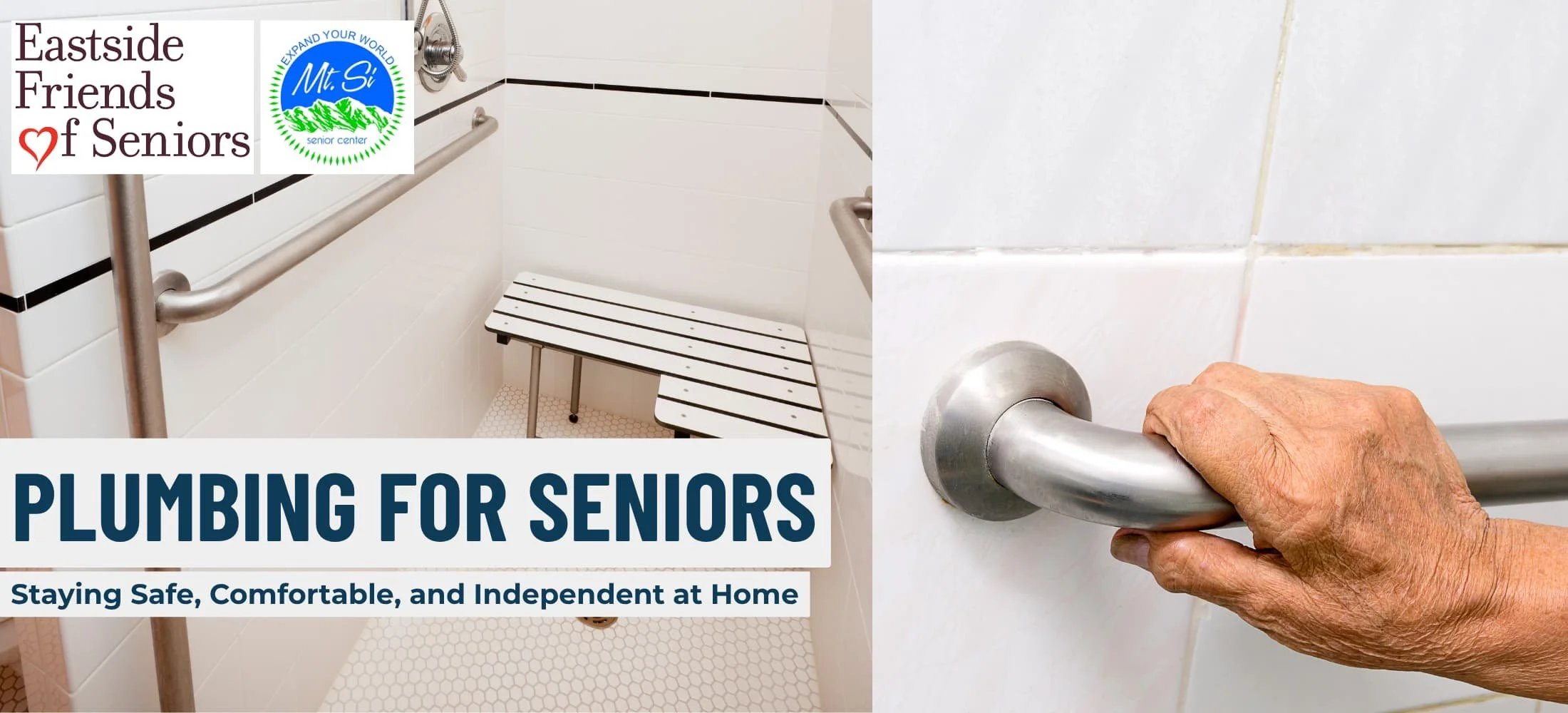
A practical guide to age-friendly plumbing upgrades, what to watch for around the house, and how to avoid getting overcharged.
For most older adults, staying home as long as possible is a top priority. While features like grab bars or wider doorways are often considered, plumbing upgrades for seniors are just as essential and can sometimes be overlooked until problems arise.
"There are contractors that take advantage of the trust older adults have for them by grossly overcharging them or selling them a product they don't need. It's been heartbreaking to hear the stories of our members being taken advantage of, many of them are on fixed incomes and these costs create unnecessary financial burdens. To address this, Eastside Friends of Seniors launched a Trusted Vendor list on our website to help connect our members and the community with businesses that operate with integrity, compassion and rooted in community. In my opinion, Noble Plumbing is a shining example of upholding these values"
- Kristine Webb, Executive Director, Eastide Friends of Seniors eastsidefriendsofseniors.org
A few targeted upgrades and some basic awareness can go a long way. To understand why these matter, let’s look at the unique role plumbing plays as we age and how specific risks can be addressed.
Why Plumbing Matters More As We Age
Changes in mobility, grip strength, and reaction time affect the way we interact with the fixtures we use every day. Slippery wet surfaces, hard-to-turn valves, and water that’s too hot are among the more common contributors to home accidents for older adults. Addressing those risks proactively isn’t purely practical; it’s one of the more meaningful things you can do to stay comfortable and safe at home.
The good news is that most of these fixes are not major renovations. Many are simple upgrades a licensed plumber can address quickly, making a real impact on safety and comfort.
Upgrades That Actually Make a Difference
Here are a few important changes to consider, based on common needs in older homes:
Toilets and Toilet Seats
Comfort-height toilets, which meet ADA (Americans with Disabilities Act) standards, are designed to be 17 to 19 inches high, similar to the height of a standard chair. Standard toilets are usually about 15 inches high. This extra height reduces strain on the knees and hips when sitting or standing. If you have joint problems or limited mobility, upgrading to a comfort-height toilet can make daily life easier.
Bidet seats and attachments. These have become much more accessible and affordable, and they eliminate a lot of the reaching and twisting that can be difficult with reduced flexibility. Many models include heated seats, adjustable water temperature, and built-in dryers. AARP has noted bidet seats as one of the recommended bathroom upgrades for aging in place, and it’s easy to see why.
Shower Heads
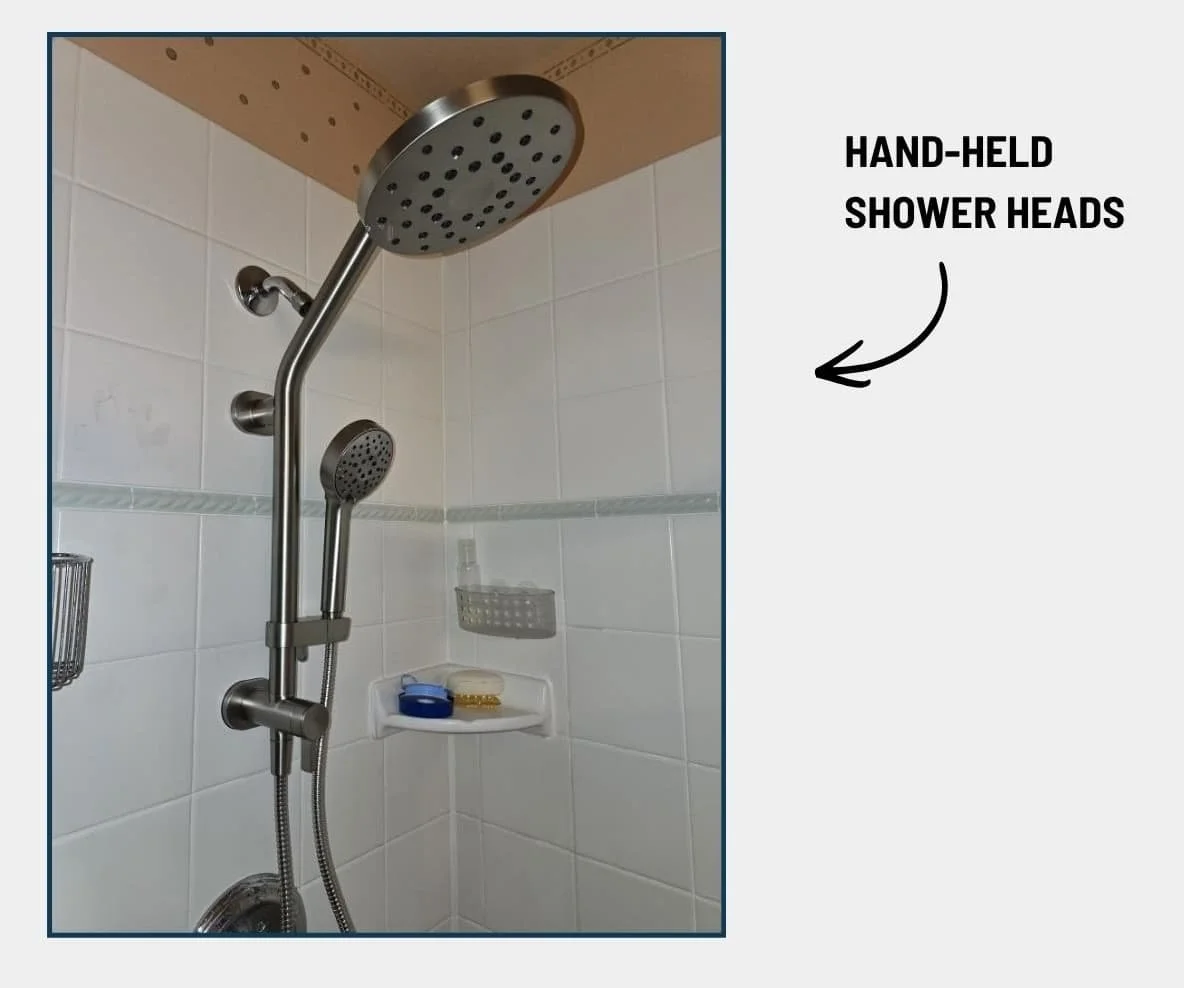
Handheld showerheads come with a flexible, long hose, unlike fixed showerheads that remain in one position on the wall. This flexibility makes it easier and safer to bathe while sitting down. Make sure to look for handheld showerheads with a sliding bar feature so you can easily adjust the height for comfort and reach.
Faucets
Lever-style faucets have handles that are shaped like a simple lever, instead of a round knob. The lever is a straight or slightly curved bar that pivots to open or close the faucet. Turning a round knob requires a tight grip and twisting motion, which can be hard for people with arthritis or weak hands. In contrast, a lever handle only needs a gentle push or pull, making it much easier to use.
Shower Seats and Benches
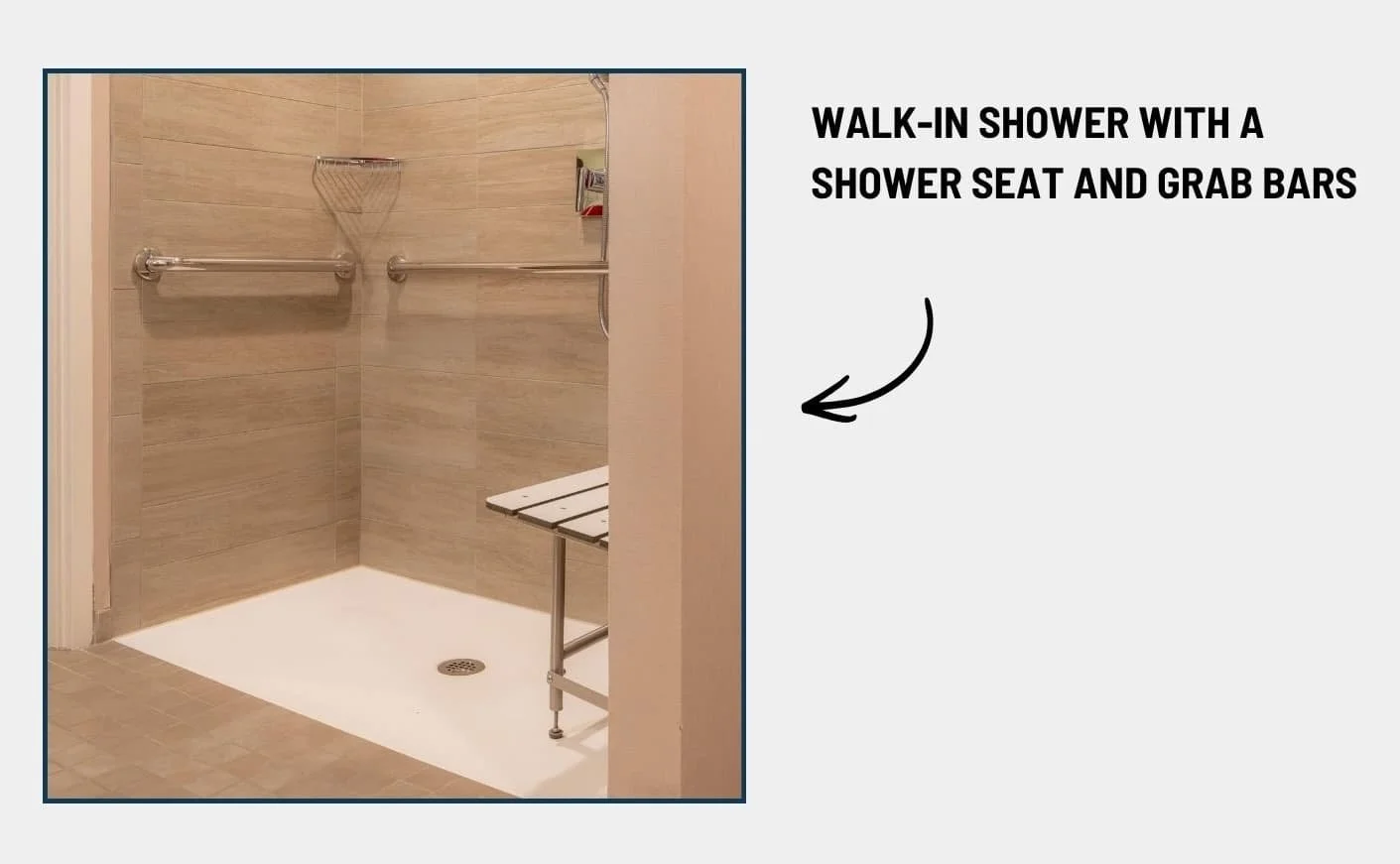
A shower seat takes the fatigue and fall risk out of bathing, especially during longer showers or on days when standing for extended periods is difficult. Built-in fold-down seats are a clean option if you're already remodeling, but a simple teak or molded plastic bench works just as well in most standard showers and requires no installation at all. If you're upgrading to a handheld showerhead anyway, adding a seat at the same time makes the whole setup significantly more functional.
Temperature and Leaks
The water heater temperature setting determines how hot your tap water is. The U.S. Consumer Product Safety Commission recommends setting your water heater to no higher than 120 degrees Fahrenheit to prevent scalding, which can cause burns. At 120 degrees Fahrenheit, it takes several minutes of exposure to cause a serious burn. At 140 degrees Fahrenheit, a burn can happen in about five seconds. If you have not checked your temperature setting recently, it may be time to do so.
A thermostatic mixing valve is a device installed in plumbing systems that blends hot and cold water to deliver water at a steady temperature. This helps to prevent sudden, unexpected changes in water temperature, even when other appliances, such as toilets or dishwashers, are used simultaneously. These valves are especially helpful if you are concerned about sudden water temperature fluctuations.
Automatic leak detection devices are small electronic sensors placed near water heaters, under sinks, or next to toilets. They alert you if they detect a leak and can even shut off the water supply. These devices help protect against costly water damage and mold, which can be especially important for older adults living alone or for family members monitoring from afar. Brands like Moen Flo and Phyn offer whole-home options for greater protection against unknown leaks.
Common Problems For Seniors to Keep an Eye On
Catching plumbing malfunctions early almost always saves money and prevents bigger problems down the road.
Slow Drains
Slow drains are usually the first sign that a clog is developing. An enzymatic drain cleaner is worth trying first. If it keeps coming back, it’s time to call someone.
Running Toilets
Running toilets are often easy to overlook, but a toilet that continues running can waste thousands of gallons per month. The usual cause is a worn flapper, which a plumber can replace quickly and affordably.
Water Pressure
Low or inconsistent water pressure means that water is not coming out of faucets or showers as strongly or steadily as usual. This can happen due to old or deteriorating pipes, a faulty pressure regulator (a small device that controls water pressure entering the house), or mineral buildup inside pipes—especially in older homes with galvanized steel plumbing. If you suddenly notice weaker water flow, or if it affects multiple fixtures, contact a plumber soon rather than waiting.
Moisture Spots
Visible moisture or soft spots under sinks and around toilets warrant immediate investigation. Water damage that sits for even a few weeks can compromise flooring and cabinetry and create mold problems.
Choosing the Right Plumber in Snoqualmie, Issaquah, and the Surrounding Area
Many large national chains and lead-generation websites operate on a high-volume business model, which may not always serve homeowners, especially seniors, well. Companies found through platforms such as HomeAdvisor or Angi pay for leads, which can drive higher prices or more frequent upselling.
Whenever possible, opt for a locally owned plumbing company with verified Google reviews, strong community ties, and transparent pricing. Always ask for a written estimate before any work begins, as a reputable plumber will gladly provide one. In Washington State, you can also verify a plumber’s license and check for complaints through the Department of Labor and Industries at lni.wa.gov.
Noble Plumbing serves Snoqualmie, Issaquah, North Bend, Sammamish, and the surrounding Eastside communities and is happy to answer questions about any of the upgrades in this guide.
For more guidance, AARP’s home and livability resources are a solid reference if you want a broader checklist of aging-in-place improvements across the whole house, not just plumbing.
For Caregivers and Family Members
If you help manage a loved one’s home, a plumbing walkthrough is one of the most useful things you can do during a visit. Test tap water temperatures, check for moisture under sinks, ensure fixtures are easy to operate, and ask about slow drains or toilets that run longer than normal. The conversations and small fixes that happen now are almost always easier than dealing with a water emergency later.
